Bed covers are essential for protecting mattresses and extending the life of flatbed-inspired bedding setups. This category emphasizes materials, weave types, and fabric finishes that influence durability, comfort, and ease of care. Understanding fiber composition, thread count, and moisture-wicking properties helps align bed covers with bed frames such as platform beds and adjustable bases.
Key features to consider include fabric weight, breathability, and fit system. Percale and microfiber options offer different textures and durability, while stretchy, fitted designs accommodate varied mattress depths. For flatbed once-assembled configurations, consider corner anchoring or elasticized edges to maintain a smooth, tidy surface across the bed cover.
Functional benefits of bed covers extend beyond aesthetics. They provide insulation during cooler seasons, protect underlying fabrics from wear, and simplify sanitation routines. Some covers incorporate moisture barriers or antimicrobial finishes, which can contribute to a cleaner sleeping environment on platform bed frames and adjustable bed bases alike.
Common materials employed in bed covers include cotton blends, microfiber, and sateen weaves, each offering unique drape and easy-care traits. When selecting for a flatbed setup, compatibility with bed risers and headboard attachments may influence choice, as well as the ability to accommodate mattress toppers or memory foam layers.
Examples of representative bed cover concepts include a Free New Bedcover lineup featuring breathable cotton-poly blends, wrinkle-resistant finishes, and compatible corner fits. Understanding product names, features, and functional benefits supports informed decisions about how bed covers interact with mattress height, base type, and overall bedroom ergonomics.
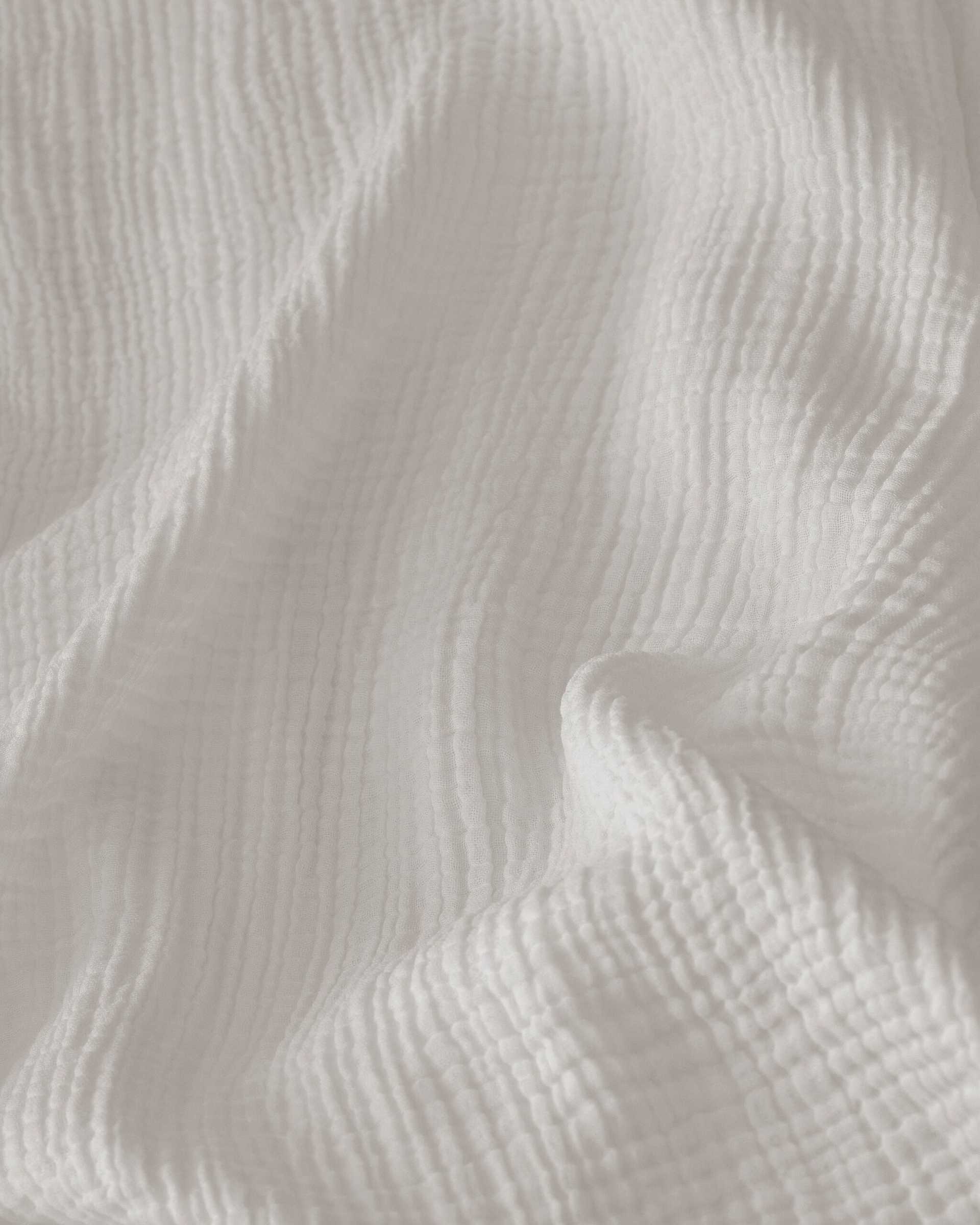 Bedding